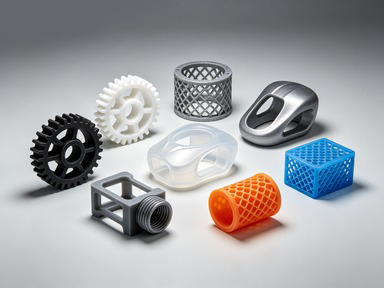
Industrial 3D Printing Services
Six process technologies covering plastics and metals, MJF, SLS, SLM, SLA, FDM, DLP, and PolyJet, for functional prototypes and end-use parts.
Serving automotive, aerospace, medical, and consumer brands from prototype to small-batch production, based in Suzhou, China.
Six process technologies covering plastics and metals, MJF, SLS, SLM, SLA, FDM, DLP, and PolyJet, for functional prototypes and end-use parts.
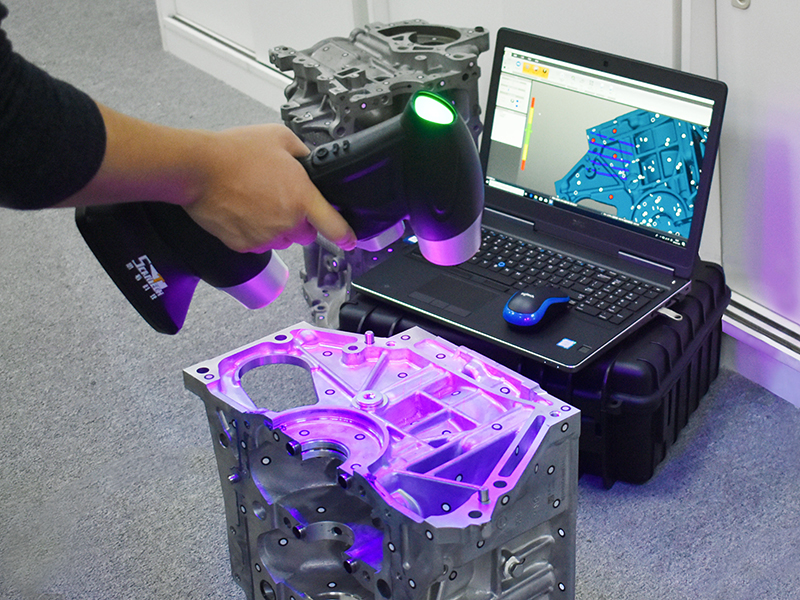
Physical part digitisation and CAD reconstruction using the PRINCE335 dual-laser handheld 3D scanner, which uses pulsed scene depth technology for high-accuracy capture.
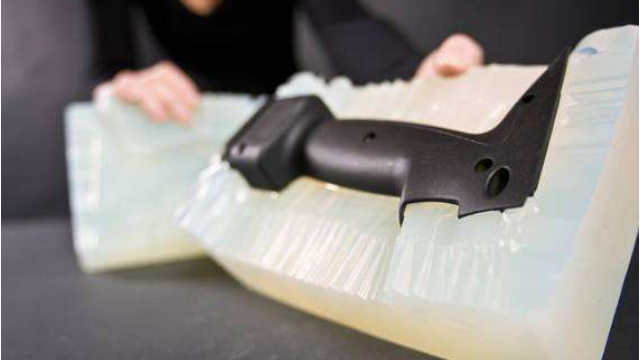
Small-batch vacuum casting of 20 to 1,000 parts using silicone molds and reactive polyurethane materials, with short lead times and high dimensional accuracy.
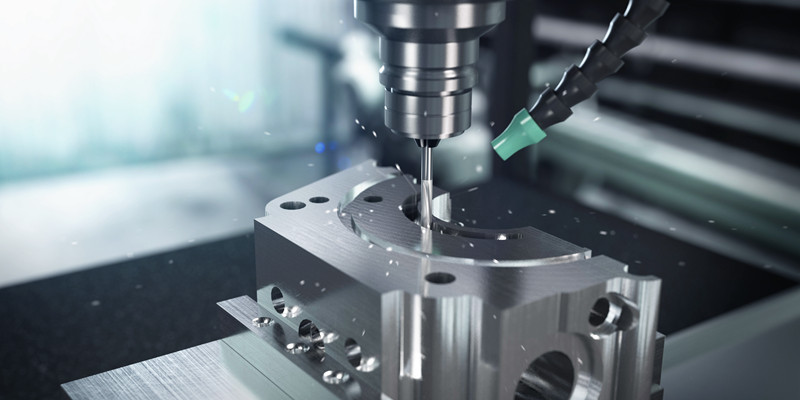
High-precision CNC machining of plastics and metals from 3D data, with in-house surface finishing and assembly as a one-stop solution.
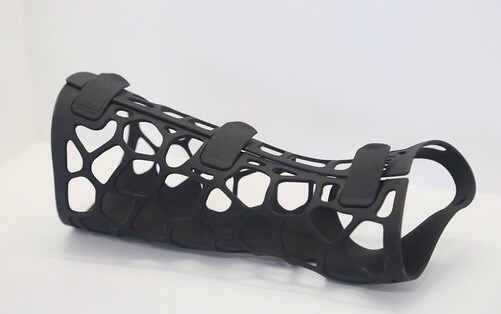
Custom 3D-printed rehabilitation products including spinal orthoses, upper and lower limb prosthetics, custom insoles, and myoelectric hands; company is participating in drafting the national standard for 3D-printed rehabilitation aids.
MJF, SLS, SLM, SLA, FDM, DLP, and PolyJet are all available from one facility in Suzhou, eliminating the need to coordinate multiple vendors for different material or accuracy requirements.
SLM metal printing covers stainless steel, aluminum alloy, tool steel, and titanium alloy, while polymer processes span nylon, glass-fiber nylon, resin, and PLA, letting buyers consolidate mixed-material projects.
Silicone vacuum casting with reactive polyurethane bridges the gap between one-off prototypes and injection-molded production runs, with high dimensional accuracy and short lead times.
The PRINCE335 dual-laser handheld 3D scanner uses what the company describes as world-first pulsed scene depth technology, enabling the reverse engineering team to capture complex geometries with a single tool.
The company participates in drafting China's national standard for 3D-printed rehabilitation aids and produces custom spinal orthoses, prosthetics, and insoles through an end-to-end scan-to-delivery workflow.
Reverse engineering, printing, CNC machining, surface finishing, and assembly are all available in-house, so buyers receive ready-to-use parts rather than raw prints requiring additional vendors.